A smokeshaft that drops water properly is simple to ignore. A smokeshaft that does not will certainly make itself recognized in the worst ways: brownish spots dripping across a living room ceiling, a moldy odor after rainfall, efflorescence blooming across the stonework, mortar crumbling like chalk. Water is relentless. It works slowly yet regularly, and an overlooked chimney is just one of one of the most usual pathways for water to go into a home. If you've managed enough Chimney Repair jobs, you discover to read the clues early, cut off the water's courses, and strengthen the structure so it remains completely dry throughout a week of winter season freeze-thaw or a summer season storm that unloads an inch of rainfall in twenty minutes.
This guide sets out exactly how a knowledgeable mason techniques medical diagnosis, repair service, and waterproofing. It covers the composition that matters, the distinction in between shallow repairs and actual services, and the sequencing that keeps you from spending twice on the exact same problem.
Why chimneys leakage, even when everything looks fine
A chimney is more than noticeable block. It is a stack built from mortar and stonework devices that rise over the roof covering aircraft and lose from wind and weather on 4 sides. Every surface is exposed. Physical are porous, and they move with temperature level swings. The roof has its very own thermal activity. Where smokeshaft meets roofing system, products increase and contract at various prices, and water seeks gaps at every seam.
Three realities drive most smokeshaft leakages. Initially, stonework wicks water, and old mortar joints open hairline fractures that feed it. Second, any failure in the chimney cap, crown, or flashing offers water a direct route. Third, minor blunders in previous job, often unseen from the ground, collect. A person smeared mortar over stopping working joints without repointing, somebody installed a one-piece sheet steel saddle that traps water, somebody avoided a drip edge on a crown. A chimney can look strong from the lawn and still be tackling water at the shoulders or through a split crown.
The makeup that matters
The ideal repair services start with a mental map of components that either shed water or collect it. On a regular masonry chimney you will certainly locate:
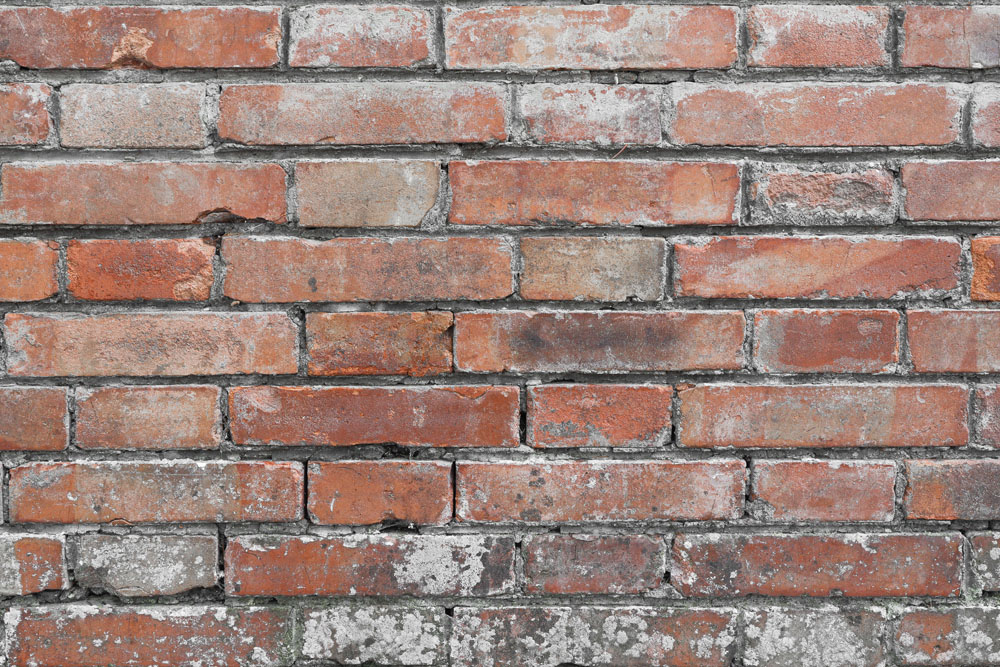
- The crown or laundry, the sloped top surface that should push water away from the flue. Concrete or cast stone is common. It needs an appropriate overhang with a drip kerf so water falls cost-free rather than diminishing the face. The flue lining, generally terra-cotta clay floor tiles in older chimneys, stainless-steel for numerous relined systems. The lining needs to be separated from the crown with a versatile joint or bond breaker so activity does not fracture the crown. The cap or rain cover, a hood that maintains water and animals out of the flue. A great cap has a wide skirt and a solid mesh display. An inadequate cap, or none at all, permits direct water entry. Brick and mortar joints, the vertical and straight seams. Soft mortar or hairline fractures let water in, after that the freeze-thaw cycle pops faces off blocks, a failure called spalling. Flashing at the roofing system user interface. Base blinking is set into mortar joints or reglets on the chimney. Counter-flashing overlaps the base and is tipped to match roof shingles programs. Negative blinking is the single most typical leakage resource I find on solution calls. Shoulders or offsets where chimney size changes. These level or sloped surfaces capture water and require special focus with metal saddles and membrane. Thimble or breach at the home appliance connection. Also when above-roof locations are best, water can discover its method through fallen short mortar or corroded thimbles in cellars or energy rooms.
An extensive examination traces feasible water paths inside out and across the roof. You wish to detect both direct entry factors and places where saturation is happening secretly behind finishes.
A sensible assessment process that discovers the real problem
I begin with a dry-day visual check from the ground, then from a ladder at the eave, after that on the roofing system if it is risk-free and the pitch enables. From inside, I look for ceiling and wall surface discolorations near the chimney chase, examine the attic room for damp sheathing or rusted nails around the chimney, and try to find salt down payments on the stonework in the attic room. If the chimney has a fireplace, I radiate a brighten the flue to check for roaming daytime where it should not be and for water tracks or mineral deposits. If it is linked to a heating system or central heating boiler, I examine the thimble location for crunchy mortar and rust.
On the roof, I probe mortar joints with a pick. If the choice attacks deeply or mortar crumbles, repointing is not optional. I tap bricks with a hammer manage. A hollow audio often implies delamination behind the face. I check the crown for hairline cracks and for bond to the flue liner. A crown that is tight to the ceramic tile is vulnerable to cracking as the lining increases when hot. I analyze the flashing very carefully, running a gloved hand along the counter-flashing side to really feel for spaces or falling short sealant. Silicone chunks are a poor indicator, generally a plaster over a blinking mistake.
If I need more assurance, I make use of a garden pipe in a controlled method. I start low, moistening the tiles listed below the chimney without hitting the smokeshaft itself. If no leakage appears inside after 15 to 20 minutes, I relocate up, wetting the action flashing area, then the sides, then the crown. This presented approach isolates the leak resource. A great deal of money is lost on sealants when the real issue is flashing, or on new blinking when the trouble is a crown that sends water down the sides. Patience right here saves the job.
Priorities: what to take care of initial and why
Not every trouble demands a complete rebuild. On the various other hand, patching a cracked crown without attending to falling apart joints below often buys a period at ideal. I arrange work into 4 classes.
Stop energetic leakages at apparent factors. A missing cap, gapped flashing, or a split in a crown that opens during the day and shuts at night will certainly enable direct water entry. Those get leading concern. I have actually seen ceiling discolorations expand by a foot overnight when a storm strikes a smokeshaft with no cap.
Arrest continuous damage. Soft mortar and spalling bricks tell you the smokeshaft is consuming alcohol water. Repointing and sometimes discerning block replacement stop the cycle. If the freeze-thaw season is coming, timing matters. There is a huge difference in efficiency between a smokeshaft repointed in September and one entrusted to soak all winter.
Make long-lasting enhancements that pay for themselves. A proper cast crown with a drip edge, two-part blinking, and a breathable water repellent extend the service life of the whole pile. These are not cosmetics. They are functional upgrades that change just how water behaves at the surface area and at seams.
Address inner security while you exist. If the flue is broken or the liner is missing out on, water is just one of your troubles. Combustion safety and security exceeds cosmetics. When I see efflorescence on a heating system flue, I check draft and carbon monoxide levels. A saturated chimney can chill flue gases and decrease draft, which matters for older appliances.
The craft of repointing: more than brand-new mortar
Repointing, done right, implies eliminating tatty mortar to a sound depth, cleaning up joints, and packaging in new mortar that matches the original in compressive toughness and shade. Frequently, I discover a smear layer, where soft mortar is simply covered with a slim brand-new layer. That layer debonds quickly and catches moisture.
Depth matters. As a rule, I cut out to a minimum of twice the joint width, often 5/8 inch or more on old smokeshafts. For a historic block, also deeper if the joint is totally decomposed. I stay clear of power grinding on soft brick since it chews right into the arrises, the crisp edges that provide a wall surface personality and stamina. Hand raking with joint rakes and chisels is slower yet conserves brick. If the job permits light grinding, I utilize vacuum cleaner shrouds and keep discs off block faces.
The mortar itself matters. Many older smokeshafts were developed with lime-rich mortar, softer and more vapor permeable than contemporary Portland-heavy blends. Making use of a difficult mortar on soft block can cause new spalling as the block comes to be the sacrificial element throughout freeze-thaw cycles. For pre-1920s block in my area, I typically use an NHL 3.5 or lime-cement blend made to reach compressive toughness in the 700 to 1200 psi array, with great breathability. For newer brick, a Type N usually fits. I mock up a sample and confirm shade and structure. As well white and the joints yell. Too grey and it resembles a patch.
Timing and treating are not flexible. I moisten the joints prior to packaging, especially in summertime. I device joints when they have set to finger-firm. After that I haze them to reduce the remedy for a day or 2. Rapid drying shrinks and fractures mortar. On hot roofing systems, I will certainly rig color fabric. That additional hour keeps the work sound.
Brick substitute and spalling control
When block faces pop off, water has already been moving in and out of the wall. You can repoint every joint and still have problem if the most awful bricks are left. I eliminate spalled devices by cutting the head and bed joints meticulously, then prying with slim bars, not brute force. Replacement brick need to match size and absorption price, not simply color. Mixing a dense, low-absorption unit right into an area of soft, high-absorption block can change where wetness collects. In environments with large temperature swings, that inequality shortens life. If you can not source specific suits, choose a compatible block and readjust mortar to stabilize the system. Much better a slight shade variant that executes than a perfect shade suit that fails.
On shoulders or wide chimneys where water sits, I think about a lead, copper, or stainless saddle under brand-new brick if reconstruct is on the table. A saddle is not constantly visible when done with treatment, but it alters the formula by dropping water before it can soak in.
Crowns: the most overlooked component
If I could fix just one above-roof component on normal smokeshafts constructed in the last half a century, it would be the crown. Many crowns are nothing greater than a skim of mortar that bonds to the flue ceramic tile and to the leading program of brick. That assembly cracks as soon as periods alter. Water after that runs through those cracks into the core.
A correct crown goes to the very least 2 inches thick at the thinnest factor, sloped to drain, and enhanced. It ought to overhang the brick by 1 to 2 inches with a drip kerf reduced right into the bottom of the edge. That kerf disrupts surface stress so water drops clear instead of crinkling back and tarnishing the face. The crown should be isolated from the flue liner with a bond breaker or development joint. I cover the liner with foam backer pole and polyethylene before the pour, then tool a versatile sealer joint after the crown cures. This costs a bit much more in labor and product. It is additionally the difference between a crown that lasts 2 years and one that lasts 2 decades.
For existing crowns with minor splits, an elastomeric crown finishing can purchase time. I clean up the surface, chase fractures, prime if the product requires it, after that apply in two coats at the maker's insurance coverage price. These layers bridge hairline crevices and shed water. They are not a remedy for structural failing. If the crown is peeled, falling apart, or bound to the flue with big gaps, I remove and recast.
Flashing: where most leaks begin
The roof-chimney joint need to take care of motion. A great blinking system makes use of two parts. Base blinking, stepped with roof shingles courses, runs under tiles and up the smokeshaft. Counter-flashing is allow right into a reglet or a mortar joint and laps over the base. Water that gets under the roof shingles flows onto the base blinking and out, while the counter-flashing covers the upright leg and relocates independently.
I do not rely upon surface sealants as the main defense. Sealers stop working. Steel, appropriately formed and incorporated with roof, is the resilient solution. For shingles, I favor step blinking items, typically 5 by 7 inches, washed with each shingle course. Continual L-flashing is quicker but much more vulnerable to bending and water breach. For steel option, galvanized steel prevails and acceptable, though in seaside or acidic environments copper or stainless earns its maintain. When dealing with copper, I solder joints for durability, not simply bend and hope.
At the uphill side of a broad chimney, a cricket or saddle is vital. Water and particles pile up or else, and leaks are unpreventable. A cricket mounted and roofed with the same product as the major roofing, with flashing and counter-flashing integrated, breaks the flow and sends it around the sides.
When retrofitting counter-flashing, I reduced a kerf right into a mortar joint 1 inch deep, place a return on the metal, and seal with a high quality urethane or silicone rated for outside stonework. I stay clear of reducing the block face. A straight reglet cut looks clean, however it eliminates block product and telegrams the repair throughout the altitude. Making use of joints values the framework and protects future repointing options.
Breathable waterproofing: when, what, and how
Masonry sealants have a mixed online reputation, mostly since the incorrect item applied to the wrong wall can catch wetness and accelerate damages. The point of a sealer on stonework is to drive away liquid water at the surface while allowing water vapor to pass. Solvent-based silane or siloxane treatments are the criterion for this. They pass through, respond with the substrate, and do not form a surface movie. Acrylics that develop a glossy skin needs to be stayed clear of on smokeshaft faces. Those films peel and trap moisture.
Before securing, the masonry needs to be dry and noise. Sealing over moist joints locks moisture in. I schedule sealers after repointing and after a couple of days of dry climate, with temperature levels in the manufacturer's variety, usually 40 to 90 degrees Fahrenheit. I mask the roof covering surface, use by low-pressure sprayer, and back-brush to get to every crevice. Protection prices differ by porosity. A tight, dense block may take 100 to 150 square feet per gallon. A soft, absorbent block might drink it at 50 square feet per gallon. Two wet-on-wet passes provide an even more consistent outcome. If water grains like on a waxed vehicle when you rinse after drying, you have insurance coverage. If it dims unevenly, you missed spots or used onto residual moisture.
Sealers are not magic. They minimize absorption substantially, typically by 80 percent or more, but they do not take care of damaged crowns, spaces at the blinking, or architectural fractures. Made use of as the last action after repair services, they reduce weathering and maintain the wall surface drier, which keeps freeze-thaw damages at bay.
Managing moisture from the within out
Sometimes the chimney is taking water not from the sky yet from exhaust. High-efficiency home appliances dispose cooler flue gases that condense inside old stonework flues. That condensate is acidic and consumes mortar. It likewise keeps the flue wet. If a gas heater or hot water heater vents right into a large masonry flue, think about a correctly sized stainless steel liner. By tightening the flue to match the device output, you maintain flue gases cozy, minimize condensation, and protect the stonework. In moist basements, I also check out dehumidification. If the chimney base sits in damp air all summertime, the pile can absorb wetness like a sponge.
Wood-burning fire places and cooktops add their own spin. A tight, large cap keeps rain out however needs to enable smoke to prepare easily. I prefer caps with large, solid tops and upright skirts that extend at least a couple of inches beyond the flue, placed with legs that anchor to the crown or flue ceramic tile as opposed to with screws right into block faces. For several flues, a customized pan-style cap can cover everything. It is a lot more pricey up front, but it also safeguards the crown and minimize laundry lines.
Edge situations and complicated setups
Short smokeshafts near high roofing system planes often tend to back-draft, which can bring damp snow and wind-driven rainfall into the flue. Extending the smokeshaft or making use of a specialized cap assists, yet view local codes for elevation above ridge and range from roofing system. On low-slope roofings with membrane layer systems, the describing modifications. I coordinate with the roofing professional to make certain the membrane layer turns up the chimney and is mechanically secured, after that counter-flashed in metal. Tar troweled on the side of a chimney where a membrane ought to be is a time bomb.
Historic smokeshafts bring restraints. The block might be softer, the mortar lime-rich, and the profile protected. You can still include a correct crown and discreet flashing, but you need to pick materials carefully. I have actually matched historical corbelling by casting a crown that steps back in two courses and cutting a drip kerf listed below each step, a compromise that keeps the look and includes function.
Prefab smokeshafts with chase covers are a different pet. A rusted chase cover sends out water straight into the framed chase. Stainless-steel replacements with cross breaks to shed water, bonded edges, and a hemmed side that sits on a continuous support are the solution. The same logic applies. Keep water off, provide it a clear path away, and stay clear of joints that open with movement.
Cost, timing, and the order of work
Homeowners usually ask for the least expensive alternative that will quit a leakage. The honest response is that the most inexpensive reputable solution depends totally on what is falling short. A ball park, with vast arrays:
- Repointing over the roofline on a moderate smokeshaft, including configuration, runs in the low 4 numbers in many markets, more if access is tough or if block replacement is heavy. Removing and casting a brand-new crown might add a comparable quantity, relying on dimension and reinforcement. New action and counter-flashing, consisting of a cricket if required, often lands in the mid four numbers when roof combination is done right. A breathable water repellent for a normal above-roof area is modest in expense compared to the labor of the various other job, normally a portion of the total.
Sequence matters. I arrange repairs completely dry to damp. Repointing and block substitute initially, then crown work, then flashing combination, then sealant after whatever treatments. If rainfall remains in the projection, a short-term cover over the crown location or a tarpaulin tent over the chimney shields fresh work. Hurrying a sealant onto damp stonework wastes product and minimizes effectiveness.
DIY versus employing out
Plenty of home owners can deal with fundamental upkeep, like installing a cap, brushing on a crown coating on a sound crown, or using a top quality siloxane sealant. The line where I strongly recommend a pro is anything involving cutting into masonry, reconstructing crowns, or incorporating blinking with roofing. Those jobs call for judgment, and mistakes are pricey. Grinding too deep into a joint on soft block, pouring a crown that bonds to the flue, or embedding blinking wrong under roof Chimney Repair shingles condemns the next person to undo and redo. If you hire, request pictures of the operate at each step. A good professional documents the joints cut and packed, the crown forms and reinforcement, the counter-flashing kerfs, and the flashing combination with shingles.
Maintenance that maintains water out year after year
Chimneys reside in the climate full-time. A little attention every year or 2 expands the life of huge fixings. After wintertime, I do a quick roof-level examination. I examine the cap screws and mesh, clear any type of nests, try to find brand-new hairline fractures in the crown, and check the blinking line for raised sides. From within, I check the attic room around the chimney after a heavy rainfall. 10 minutes invested then saves a weekend of emergency pails later on. If the smokeshaft is sealed with a breathable repellent, I expect 5 to ten years of solution depending upon exposure. When water stops beading, I reapply after a dry spell.
Fireplace users ought to bear in mind that ashes hold dampness. A damp ash bed maintains the firebox damp, which wicks right into the chimney. Shovel out frequently and maintain the damper practical to control airflow and minimize summer moisture migration.
A quick case study: the ceiling tarnish that kept coming back
A home owner called after 2 efforts by others to stop a leakage that stained a room ceiling every springtime. The crown had actually been coated, and a charitable bead of silicone left the blinking. On inspection, the crown finish looked fine. The step flashing likewise looked intact at a look. The attic told the story. Stains tracked from the uphill side of the chimney where shingle particles stacked behind a large pile. There was no cricket. Under the roof shingles, the base blinking was continuous, not tipped. Water was backing up under hefty rain, going across the constant L, and discovering nail holes.
We reframed a tiny cricket, mounted step flashing integrated with each roof shingles training course, reduced in new counter-flashing set in mortar joints, and left the crown finishing alone. After two tornados, the attic room remained dry. The task price more than one more tube of silicone, however it resolved the ideal trouble. This is typical. The leakage path is seldom the place that looks damp. It is the area that accumulates water and hides the path.
The profits: construct a system that sheds water and breathes
Chimney Fixing is not a single job. It is a sequence. Start by recognizing exactly how water enters, then block those entrances with durable parts and compatible products. Keep the crown independent and solid. Blink so the roof and smokeshaft can move without tearing joints. Use mortar that matches the stonework, not whatever remains in a bag on sale. Use a breathable sealant as the last coat of shield, not as a crutch. Provide the flue a proper cap and offer the wall surfaces a periodic appearance from a ladder or the attic room hatch.
A completely dry smokeshaft is quiet. It does not discolor or smell. It does not flake block in winter months. It merely airs vent securely and stands right through tornados. If you put the pieces together with treatment, you just have to think of it every few years, and when you do, it is a quick check, not a rescue mission.
Business Name: Ramos Masonry Construction Company Address: 1400 E Seventh St, Newberg, Oregon Website: https://ramosmasonry.com/ Email: [email protected] Phone: +15038575988